Asphalt Patching · Lebanon, PA
Potholes & Damage
Fixed Right.
When cracks and surface wear have progressed to structural damage potholes, sunken sections, or base failures professional patching is the solution. We restore damaged asphalt areas with properly bonded, durable material that holds up through Lebanon County's demanding seasons.
Residential & commercial · Free estimates · Lebanon County
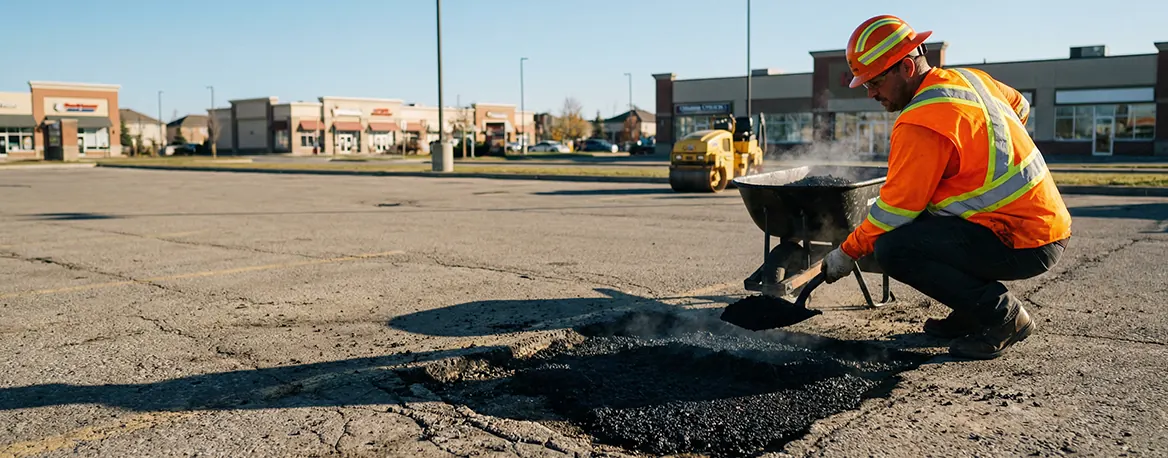
Structural Repair Specialists
Residential & Commercial
what is asphalt patching?
Targeted Repair for Damaged Pavement Sections
Asphalt patching is a targeted repair technique that removes and replaces damaged sections of pavement areas where the surface has failed, base material has eroded, or structural integrity has been compromised beyond what crack filling can address.
Unlike sealcoating or crack filling, which are surface-level preventive treatments, patching addresses active structural failures. Done correctly, a patch restores structural integrity to the repaired area, creates a safe, flat surface, and integrates with the surrounding pavement to resist further deterioration.
Patching is appropriate when you're dealing with potholes, alligator-cracked sections, sunken or depressed areas, or any zone where the base material beneath the asphalt has failed or washed out. It's also the necessary preparation step before resurfacing larger areas of severely damaged pavement.
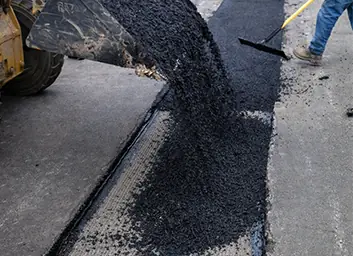
Patching vs. Crack Filling
Not sure which you need? A quick rule: if you have individual cracks without base failure, crack filling is likely sufficient. If you have potholes, widespread alligator cracking, or areas that flex under vehicle weight, patching is required. We'll assess your pavement and recommend the right approach.
what we fix
Types of Asphalt Damage We Patch
Patching is the right solution for these specific types of pavement damage found on Lebanon County properties.
Potholes
Potholes form when base material erodes and the asphalt surface collapses under load. They create safety hazards, damage vehicles, and expose property owners to liability. Proper patch repair removes the failed asphalt, addresses the base, and installs new compacted asphalt that lasts.
Alligator-Cracked Areas
Widespread interconnected cracking (alligator cracking) indicates structural base failure that crack filling cannot correct. These areas require patching: removal of the compromised surface, base repair, and new asphalt installation to restore structural capacity.
Sunken or Depressed Sections
Low spots that collect water and accelerate further deterioration. Sunken areas are patched by removing material, correcting the base grade, and installing new asphalt flush with the surrounding surface to restore proper drainage.
Utility Cut Repairs
Areas disturbed by underground utility work that were poorly restored or have since deteriorated. We cut clean edges, prepare the base, and restore the asphalt patch to a durable, properly bonded finish.
Edge Failures & Crumbling
Driveway and lot edges that have deteriorated, broken apart, or subsided. Edge patching restores the structural boundary of your pavement and prevents the failure from spreading inward across the surface.
Surface Deterioration
Large areas of surface raveling, aggregate loss, or significant oxidation that have progressed beyond what sealcoating can restore. Mill-and-patch or localized resurfacing returns these zones to a stable, maintainable condition.
is patching right for you?
When Patching Is the Right Solution
Asphalt patching is appropriate when damage has progressed beyond surface-level treatment. Here's how to evaluate whether your pavement needs patching:
Patching Is Right When:
- You have visible potholes holes or craters in the surface
- Areas of asphalt flex or feel spongy under vehicle weight
- You see widespread alligator cracking in defined areas
- There are sunken sections that pool water after rain
- The asphalt base is visibly compromised or washed out
- Large sections show deep crumbling or aggregate exposure
Crack Filling or Sealcoating May Be Sufficient When:
- You have individual cracks without surrounding base failure
- Surface color is faded but texture is still stable and solid
- Cracks are narrow (under 1 inch) and the base feels firm
- Damage is limited to surface-level oxidation and weathering
Not sure which applies? We offer free site assessments we'll tell you honestly what your pavement needs.
Potholes and structural failures create trip and vehicle hazards patching eliminates the risk
For commercial properties, unpatched damage creates real exposure to vehicle and personal injury claims
Patch Now, Seal Later
The most cost-effective approach: patch damaged areas first, then sealcoat the entire surface. This sequence gives you comprehensive protection and a uniform finished appearance across the whole pavement.
our process
How We Patch Asphalt the Right Way
The difference between a patch that lasts years and one that fails in one season is preparation. Here's how we approach every patching job in Lebanon County.
Damage Assessment
We evaluate the full extent of the damage, identify the root cause (surface wear, base failure, drainage issue), and determine whether patching, crack filling, or both is needed. Treating the symptom without understanding the cause leads to recurring failure.
Square-Cut Removal
We saw-cut clean, square edges around the damaged area. Clean edges are critical they create a tight bonding surface for the new asphalt. Feathered or jagged edges cause the patch to delaminate from the surrounding pavement quickly.
Base Preparation
We remove loose material, address any base failure, regrade the base where needed, and compact properly. A poorly prepared base is the most common reason patches fail prematurely.
Tack Coat Application
We apply a tack coat (adhesive layer) to the existing pavement walls and base before placing new asphalt. This ensures the new material bonds firmly to the surrounding surface rather than simply sitting in place.
Asphalt Installation & Compaction
New hot-mix or quality cold-patch asphalt is installed in lifts and thoroughly compacted to match the surrounding grade. Proper compaction eliminates voids and creates the density the patch needs to resist future loading and weathering.
Finishing & Next Steps
Edges are sealed and the surface is finished flush with the surrounding pavement. We'll recommend combining the completed repair with sealcoating the full surface once any multiple repairs are complete.
common questions
Asphalt Patching FAQ
How long does an asphalt patch last?
Can you patch asphalt in cold weather in Pennsylvania?
Do I need to repave my entire driveway or just patch the damaged areas?
How long do I need to stay off a patched area?
Should I sealcoat after patching?
What's causing my driveway to develop potholes every spring?
related services
Complete the Repair Right
Patching works best as part of a complete maintenance sequence.
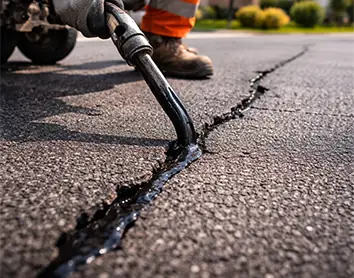
Crack Filling
Address remaining cracks after structural patching is complete. Crack filling seals the surface and prepares for sealcoating.
View Crack Filling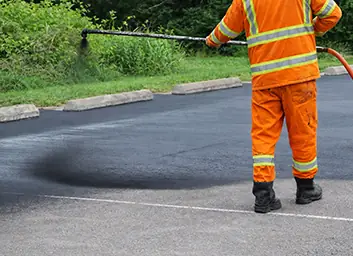
Seal Coating
Seal the entire surface after patching to protect the new repairs and restore a uniform, professional appearance to the whole pavement.
View Seal Coating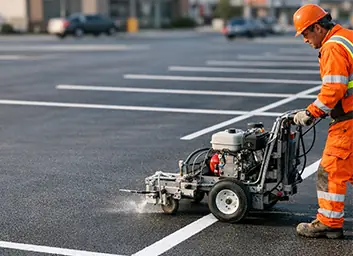
Line Striping
After patching and sealing your commercial lot, fresh line striping completes a full lot restoration in one maintenance cycle.
View Line Stripingfix it now
Don't Let Potholes or Damage Get Worse
Get a free site assessment from ProSolutions. We'll evaluate your pavement damage, explain the right repair approach, and provide a clear, no-obligation quote for patching and any additional services needed.