Crack Filling · Lebanon, PA
Stop Cracks Before
They Cost You.
Every crack in your asphalt is an open door for water, frost, and structural failure. Professional crack filling stops the damage cycle early before Lebanon's winters widen a small problem into an expensive repair or full replacement.
Residential & commercial · Free estimates · Lebanon County
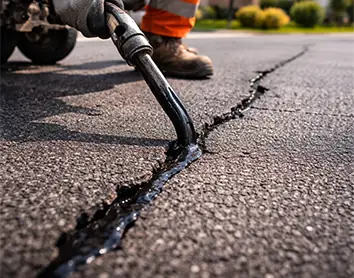
Professional Crack Repair
Before Winter Does More Damage
what is crack filling?
Sealing Asphalt Cracks Before They Become Failures
Asphalt crack filling is the process of cleaning and sealing cracks in pavement to prevent water, debris, and vegetation from entering and worsening the damage. It's one of the most cost-effective interventions in asphalt maintenance and one of the most time-sensitive.
When cracks are left open, water enters the asphalt structure. In Pennsylvania, that water freezes and expands every winter sometimes multiple times in a single month. Each freeze-thaw cycle forces the crack wider and deeper, accelerating structural breakdown at the base layer that supports the entire surface above it.
Professional crack filling uses specially formulated flexible crack filler that bonds to the asphalt walls, remains pliable through temperature cycles, and creates a watertight seal that prevents further infiltration. It is not a permanent cosmetic fix it is a maintenance intervention that extends the pavement's structural life.
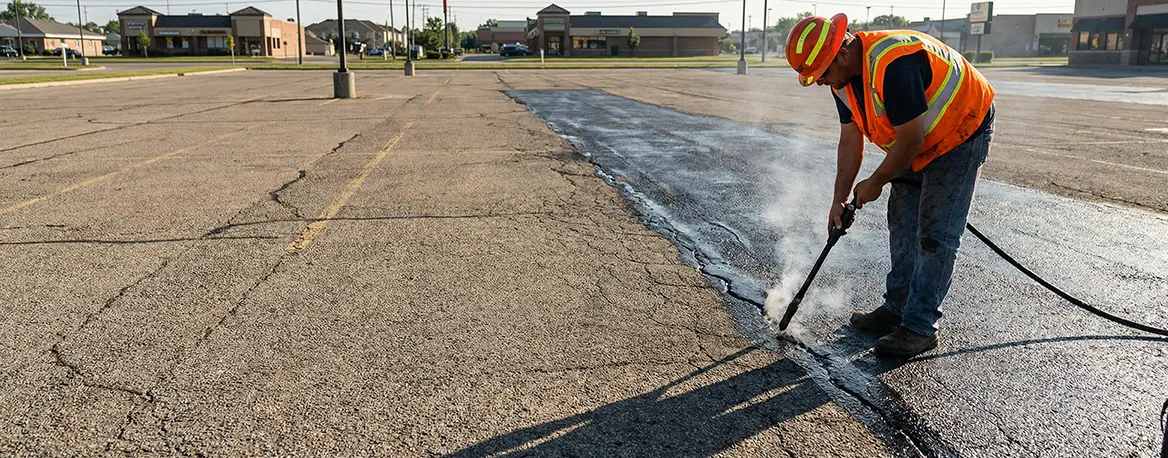
Small Cracks, Big Consequences
A 1/4-inch crack left untreated through one Pennsylvania winter can become a 2-inch-wide structural failure by spring. The math is clear: professional crack filling costs a small fraction of what that damage will eventually cost to correct.
types of cracks
What Kind of Cracks Do We Fill?
Not all asphalt cracks are the same. Understanding the type helps determine the right treatment approach.
Longitudinal & Transverse Cracks
Straight cracks running with or across the pavement direction. Usually result from pavement aging, thermal expansion/contraction, or base movement. These are prime candidates for crack filling before they widen.
Edge Cracks
Cracks along the pavement edges caused by lack of lateral support, poor drainage, or heavy edge loading. Common on residential driveways in Lebanon County. Filling these early prevents the edges from crumbling.
Alligator / Fatigue Cracking
Interconnected cracking pattern resembling alligator skin. Indicates structural or base failure beneath the surface. This type typically requires patching rather than crack filling alone to correct the underlying issue.
Block Cracking
Large rectangular crack patterns across sections of the pavement, often indicating asphalt binder shrinkage from aging or temperature extremes. Crack filling can address these before they deepen into base-level problems.
Reflection Cracks
Cracks that mirror the joints or cracks in an underlying layer. Common on resurfaced pavement where the old surface pattern telegraphs through the new one. Requires careful filler application to seal properly.
Surface / Hairline Cracks
Fine, shallow cracks at the surface level, often the earliest sign of oxidation and aging. Sealing these early ideally combined with sealcoating stops progression before it reaches deeper pavement layers.
pennsylvania's climate factor
Why Lebanon County Winters Make Crack Filling Urgent
Lebanon County experiences an average of 25–35 freeze-thaw cycles per year. Each cycle is a mini-expansion event inside every open crack in your pavement.
Here's what happens: water enters an unsealed crack and settles at the base. When temperatures drop below 32°F, that water expands approximately 9% in volume as it freezes pushing the crack walls outward. When it thaws, the crack is slightly wider than before. The next freeze cycle pushes it further still.
After a single Pennsylvania winter, a hairline crack can become a 1/2-inch-wide gap with eroded base material beneath it. After two or three winters without treatment, you're looking at pothole formation and potential base failure that crack filling alone can no longer address.
Best Time to Act: Before Winter
The ideal time to have cracks filled is late summer or early fall after summer heat cycles have finished opening cracks and before winter freezes arrive. Late October and November jobs still work in warm weather. Don't wait until spring when the damage is already done.
Avg. freeze-thaw cycles per year in Lebanon County, PA
Volume expansion when water freezes inside an asphalt crack
Approximate cost difference: crack filling vs. structural repair
what happens if you wait
The Cost of Ignoring Asphalt Cracks
Crack filling is a time-sensitive service. The longer cracks go untreated, the more expensive the eventual repair becomes.
Water Infiltration
Open cracks allow rainwater and snowmelt to penetrate the asphalt base, softening and eroding the foundation that supports the surface above.
Freeze-Thaw Widening
Each Pennsylvania winter multiplies crack width and depth. A small crack becomes a large one and a large crack becomes a structural failure requiring costly patching.
Pothole Formation
Structural cracks with eroded bases eventually collapse under vehicle loading, creating potholes. Pothole repair costs significantly more than the crack filling that could have prevented it.
Full Repaving Cost
Pavement with widespread structural failure eventually requires full removal and repaving costs that dwarf what routine crack filling and maintenance would have totaled over the same period.
our process
How We Fill Asphalt Cracks
Surface Assessment
We walk the entire surface, identify all crack types, measure widths and depths, and assess whether crack filling alone is appropriate or whether patching is also needed for structurally compromised areas.
Crack Cleaning
We clean all cracks using compressed air and wire brushing to remove dirt, vegetation, loose material, and moisture. A clean crack is essential for proper filler adhesion contaminated cracks cause premature filler failure.
Filler Application
We apply professional-grade flexible crack filler compound into the prepared crack. The filler is applied in a controlled manner to fill the crack properly without excess overfill that would create a raised surface hazard.
Smoothing & Feathering
Filler is smoothed and feathered at the edges for a clean, finished appearance. We ensure the filled crack sits flush with the surrounding surface without creating bumps or lips.
Curing & Next Steps
We advise on curing time and recommend sealcoating as the next step if the surface is ready for it. Crack filling combined with sealcoating provides the most complete and lasting protection for your asphalt.
common questions
Crack Filling FAQ
What size cracks can you fill?
Can crack filling be done before winter in Lebanon, PA?
Will crack filling completely restore the appearance of my driveway?
How long does crack filling last?
What's the difference between crack filling and crack sealing?
Should I sealcoat before or after crack filling?
related services
Complete the Job Right
Crack filling is most effective when combined with these complementary services.
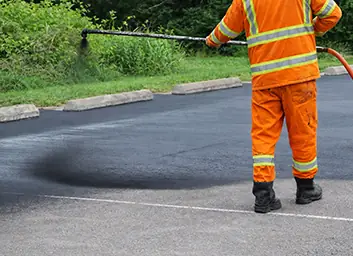
Seal Coating
The natural next step after crack filling. Sealcoating seals the surface, restores the appearance, and protects the entire pavement from future damage.
View Seal Coating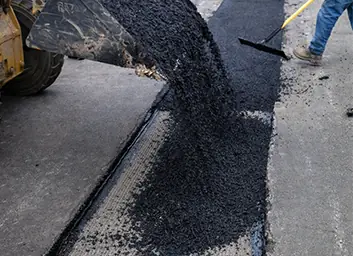
Patching
For areas with structural failure, pothole formation, or alligator cracking that goes beyond what crack filling can address.
View Asphalt PatchingNot Sure What You Need?
Call us and describe what you're seeing. We'll help you understand what your pavement needs no obligation, no pressure.
(717) 769-9794act before winter
Don't Let Another Winter Widen Those Cracks
Get a free assessment of your driveway or parking lot cracks from ProSolutions. We'll tell you exactly what treatment is needed and give you a clear, no-obligation quote.